Self Build Mortgages
Self Build Mortgages
Self Build Mortgages Advice
Creating your dream home from the ground up is an exciting journey, but it requires a mortgage solution tailored to the unique demands of self-build projects. Self build mortgages are structured differently from traditional house purchase mortgages, offering flexibility to meet the specific needs of your construction plans.
At Bradgate Financial Solutions, we specialise in providing up-to-date self-build mortgage expertise. Whether you're a first-time builder or an experienced developer, our whole-of-market access ensures we find the best mortgage deal for your circumstances, helping to make your build as stress-free as possible.
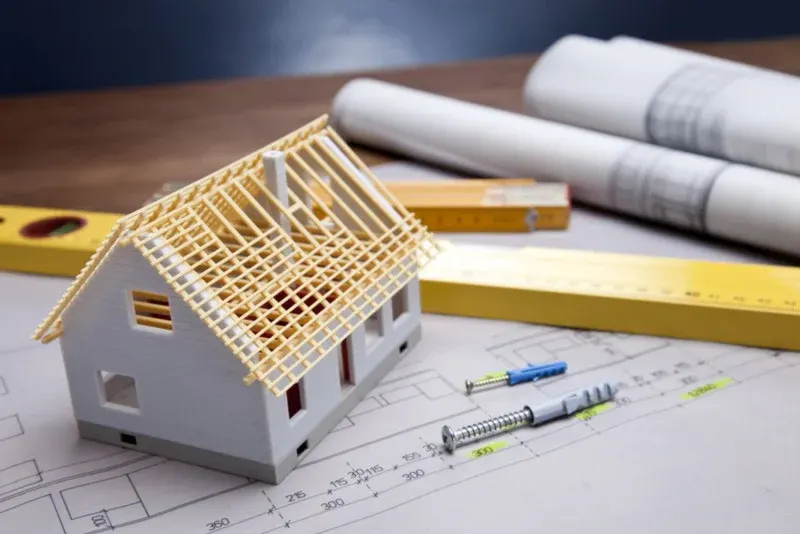
How Do Self Build Mortgages Work?
Unlike traditional mortgages, self-build mortgages release funds in stages as your build progresses. Lenders typically offer a percentage loan-to-value (LTV) based on the estimated value of the completed property.
Funds are released at key construction milestones, which can be spread over six stages. These payments may be made in arrears, at the end of each stage, or in advance, at the start of each stage. Site valuations are conducted by the lender to assess progress and ensure funds are released accordingly.
The type of property you're building also influences the mortgage structure. Whether you're constructing a traditional brick and block house, a timber frame home, or undertaking a renovation or conversion, we'll guide you through the process and ensure you understand the specific terms for your project.
Stamp Duty Is Paid on the Land
One of the genuine financial advantages of building rather than buying is easily missed at the budgeting stage.
Stamp duty is charged on the purchase price of the land, not on the value of the finished house. Buy a plot and build a home worth considerably more, and the duty is calculated only on what you paid for the plot.
On a plot bought below the relevant threshold, there may be no stamp duty at all. Against the duty payable on an equivalent completed house, the saving is often substantial and is worth setting against the additional costs a build carries elsewhere.
Two qualifications. Where you buy land with a building already on it that you intend to demolish or convert, the position is assessed differently, and where you already own another property the additional-property surcharge may apply to the land purchase.
Building work itself carries its own VAT treatment, which is a separate matter from stamp duty and has its own rules for new builds and conversions. Both are worth confirming with a tax adviser or your solicitor before you commit to a plot — this is not tax advice, and thresholds change.
Insuring the Build
Your existing home insurance does not cover a construction site, and no lender will release funds without proper cover in place. This is a condition of the mortgage, not an optional extra.
Site insurance
— usually called self-build or contract works insurance — is a specialist product covering the risks specific to a build: the partially completed structure itself, materials and plant on site, theft and vandalism, damage by fire or storm, and public liability for anyone visiting or passing.
Employers' liability
is included where you engage trades directly rather than through a single main contractor, and is a legal requirement in that situation.
Structural warranty
is a separate matter again. Most lenders require a recognised ten-year warranty on completion, and it must normally be arranged before construction begins because the provider needs to inspect at key stages. Attempting to obtain one after the event is difficult and sometimes impossible — which then limits both your ability to remortgage onto a standard product and your buyer's ability to get a mortgage if you sell within the first decade.
Cover should run from the moment you take possession of the land — not from the start of building work — and continue until the property is complete and occupied. Sites are most vulnerable when empty, and the gap between buying a plot and starting work is exactly when losses occur.
Where you use a main contractor, check what their own policy actually covers. It frequently protects their work and their liability rather than your interest in the building, and the two are not the same.
Key Stages of Self Build Mortgage Releases
While the release stages may vary by lender, they typically align with the following construction milestones:
Our team will provide clarity on lending terms and ensure you're well-prepared for each stage.
- Purchase of land.
- Preliminary costs and foundation work.
- Construction to wall plate level.
- Achieving a wind and watertight structure.
- First fix and plastering.
- Second fix and completion.
Why Choose Bradgate Financial Solutions?
At Bradgate Financial Solutions, we understand the complexities of self-build projects and provide tailored advice to simplify the mortgage process. Our dedicated team works closely with you to assess your plans, navigate lender requirements, and secure the most competitive deal.
From determining the right loan-to-value ratio to managing the release of funds at each build stage, we're with you every step of the way. By handling the details, we allow you to focus on turning your vision into reality.
Our Other Mortgage Solutions
Our extensive range of services ensures that no matter your needs, we have the expertise to assist.
At Bradgate FS we aim to make choosing and applying for a mortgage, protection, loan or insurance as stress-free as possible.
Realise your vision with a self build mortgage tailored to your needs. Contact Bradgate Financial Solutions today for expert advice and step-by-step support in making your dream home a reality.
First Time Buyer Mortgages
First Time Buyer Mortgages: Ideal for those entering the property market for the first time.
Home Mover and Purchase Mortgages
Home Mover and Purchase Mortgages: Designed for those moving to their next property, these mortgages streamline the process of buying a new home.
Right to Buy Mortgages
Right to Buy Mortgages: Ideal for council tenants looking to purchase their homes under the Right to Buy scheme.
Remortgages
Remortgages: Helping you switch to a better rate, release equity, or consolidate debts.
Self-Employed Mortgages
Self-Employed Mortgages: Tailored options for business owners and freelancers with varying income streams.
Adverse Credit Mortgages
Adverse Credit Mortgages: Solutions for individuals with poor credit history to secure a mortgage.
Buy to Let Mortgages
Buy to Let Mortgages: Designed for property investors looking to rent out residential properties.
Portfolio Mortgages
Portfolio Mortgages: Simplifies financing for landlords managing multiple rental properties.
Common questions
How much deposit is required for a self build mortgage?
Deposits for self build mortgages are typically higher than standard mortgages, often starting at 25% of the project's total cost.
Can I secure a mortgage for land purchase only?
Yes, many lenders offer funding for land purchases as part of a self build mortgage.
How are funds released during the build?
Funds are released in stages, either in arrears (after each stage) or in advance (before each stage), depending on the lender.
Does the type of property affect the mortgage?
Yes, the structure and materials of your build, such as brick, timber frame, or renovation, can influence the mortgage terms.
Can I remortgage once the build is complete?
Yes, many self-builders choose to remortgage their completed property to access better rates or release equity.
Related
No cost, no obligation
Talk to a Leicester adviser this week
One conversation is usually enough to tell you where you stand. Send the form and an adviser calls you back, normally the same working day.
Book your free consultation
No cost, no obligation. Tell us where you are up to and an adviser will call you back, usually the same working day.