Home Insurance (Homeowner's Insurance)
Home Insurance (Homeowner's Insurance)
Home Insurance
Protecting your home and belongings with Home Insurance is an essential step toward safeguarding your investment and ensuring peace of mind. Whether you live in a compact apartment or a large family home, the right insurance can prevent financial hardship in case of unexpected events. While it doesn't need to cost a fortune, not having insurance could cost far more if disaster strikes.
Home Insurance typically includes two types of coverage: Buildings Insurance and Contents Insurance, each offering protection for different aspects of your property.
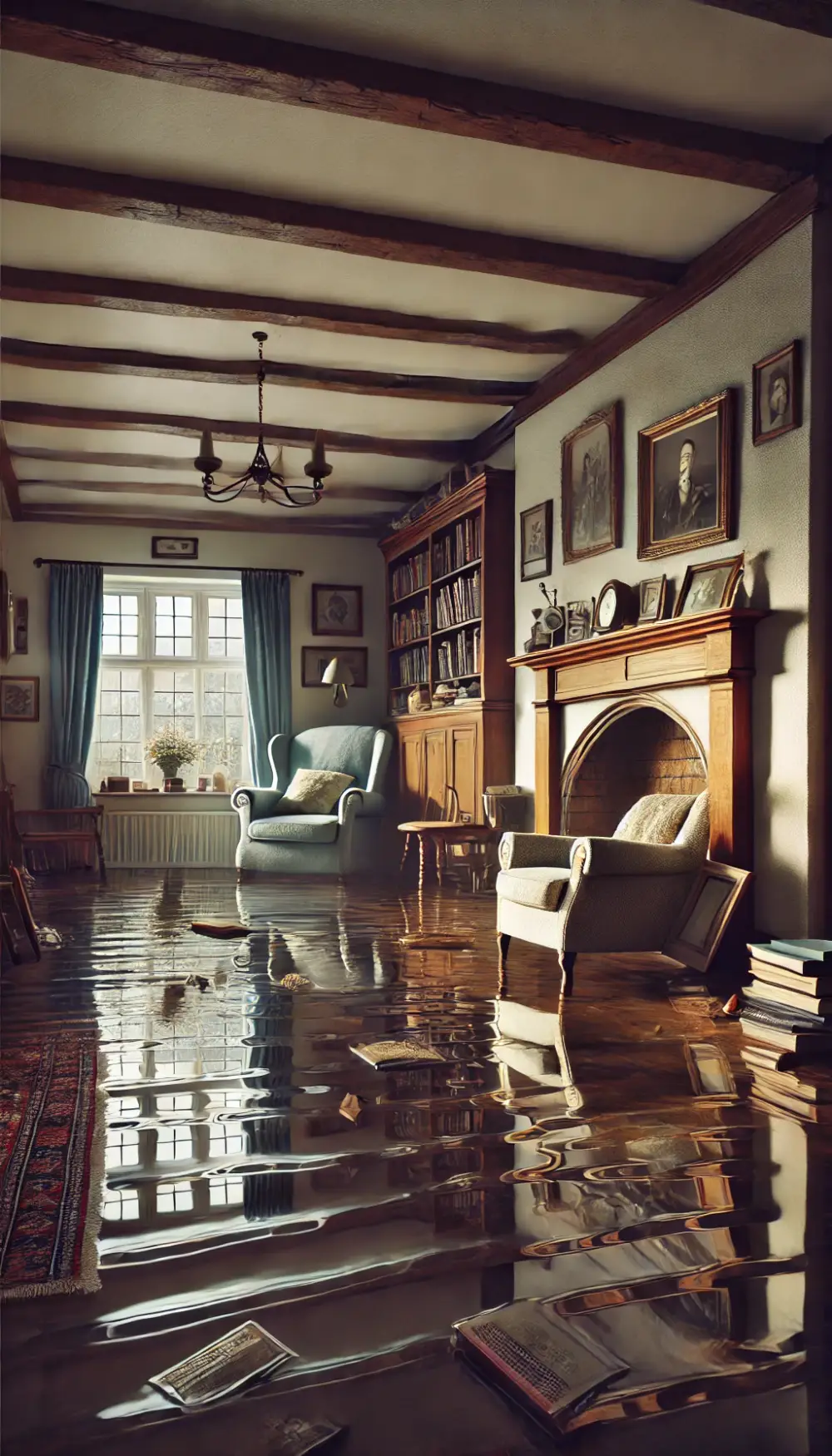
Buildings Insurance
Buildings Insurance protects the physical structure of your home, covering damages to fixed fittings like kitchens, bathrooms, ceilings, floors, and roofs. It ensures that repair costs are covered if your property faces damage due to events such as fire, storms, or flooding. In extreme cases, it can also cover the cost of rebuilding your home.
Why Buildings Insurance is Important:
Arranging Buildings Insurance is a quick and straightforward process, giving you peace of mind without breaking the bank.
- Many mortgage lenders require it as a condition for approving loans, safeguarding their investment in the property.
- Even without a mortgage, it provides financial protection against unpredictable damages.
- Most policies offer additional benefits like covering temporary housing costs if your home becomes uninhabitable.
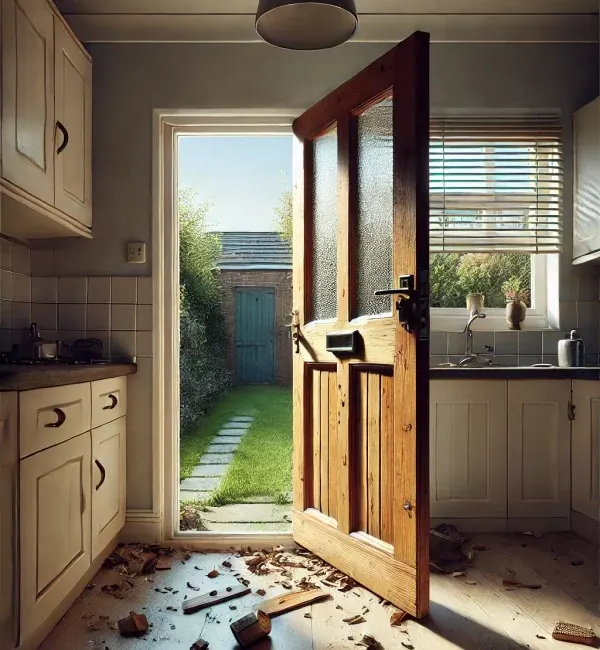
Contents Insurance
Your home is filled with valuable possessions, from furniture and appliances to personal items like clothes, gadgets, and jewellery. Contents Insurance protects these belongings from theft, loss, or damage, ensuring you can replace or repair items without financial strain.
What Contents Insurance Covers:
- Everyday items like furniture, white goods, and clothing.
- High-value items such as jewellery, watches, and tech devices (individual items may need to be listed separately).
- Garden contents and even food in some policies.
New for Old, or Indemnity
How a policy settles a claim matters more than the headline sum insured, and two quite different bases are in common use.
New for old, sometimes called replacement as new, pays what it costs to buy an equivalent item today, without deduction for age or use. A ten-year-old washing machine is replaced with a new one. This is the standard basis for buildings cover and for most contents policies.
Indemnity deducts for wear and tear, paying what the item was actually worth at the moment it was lost. That ten-year-old machine is worth a fraction of a new one.
Most policies mix the two. Contents are frequently new for old, while clothing and household linen are commonly settled on an indemnity basis even within a new-for-old policy. Cheaper policies apply indemnity more widely.
Read the settlement basis before comparing prices. Two policies with identical sums insured and very different premiums usually differ here.
Note also that insurers normally reserve the right to repair or replace rather than pay cash, and may use their own suppliers. Where you would rather choose your own tradesperson, that is worth establishing at the outset.
The Optional Covers
Standard policies cover a defined list of events. Several important risks sit outside it.
Accidental damage
covers your own mistakes — paint on the carpet, a foot through the loft ceiling, a television knocked over. Buildings and contents accidental damage are usually separate options, and limited versions covering only fixed glass and sanitary ware are often included as standard.
Personal possessions away from home
extends contents cover to items you carry: phones, laptops, jewellery, bicycles. Without it, a phone stolen in town is not covered by a contents policy, however comprehensive.
High-value items
normally have to be specified individually above a single-article limit, which can be lower than people expect. An engagement ring or a watch worth more than that limit is not fully covered simply because the overall contents sum is large enough.
Home emergency
provides a call-out for urgent failures — heating, plumbing, security of the property. It is a repair service with a modest limit, not an extension of the main cover.
Family legal protection
funds pursuing or defending certain disputes, including some employment and neighbour matters.
Bicycles, and legal liability as an employer
of anybody working in your home also frequently sit outside the standard wording.
Homes Insurers Treat as Non-Standard
A large part of the market prices only for conventional houses. If yours is not one, a comparison site may quote you and then decline at the point of purchase.
Construction
Anything other than brick or stone walls with a slate or tile roof — timber frame, concrete, steel frame, thatch, or a roof more than a quarter flat — needs an insurer that accepts it.
Listed buildings and conservation areas
Repairs must use matching materials and methods, which raises rebuild costs substantially above the size of the property alone.
Previous subsidence, flooding or structural movement
Past claims must be disclosed even where the cause was fully remedied. Specialist insurers exist for exactly these cases, and for flood risk the Flood Re scheme supports cover on many eligible homes.
Use of the property
Running a business from home, letting a room, holiday letting, or a house in multiple occupation all change the risk and often the policy required.
Age
Older properties, particularly pre-1900, are frequently referred to specialist underwriters.
Disclosing any of these is not optional, and doing so at the outset usually costs less than people fear. Discovering the omission at claim stage is what costs.
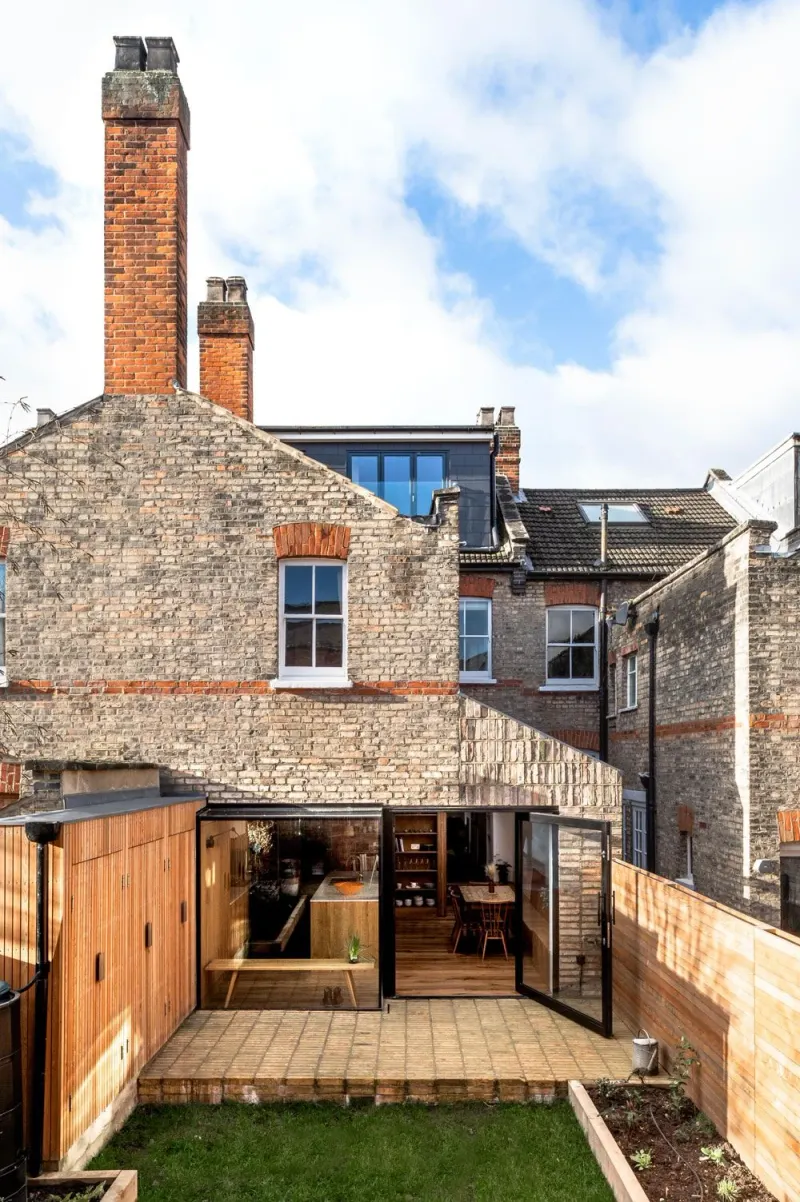
If the House Is Left Empty
Almost every home policy restricts cover when a property is unoccupied, and the restriction is usually triggered sooner than owners realise.
Typically after 30, 45 or 60 consecutive days empty, cover reduces sharply. Theft, escape of water, malicious damage and accidental damage are commonly excluded, leaving little more than fire and structural perils.
This catches people during probate, an extended stay abroad, a hospital admission, or a renovation between moving out and moving in.
Conditions usually accompany the restriction: keeping the heating at a minimum temperature or draining the system in winter, regular documented inspections, and post removed from the mat.
Tell your insurer before the property is left rather than after. Unoccupied property cover exists and is straightforward to arrange in advance; it cannot be applied retrospectively to a loss that has already happened.
Our comprehensive contents insurance plans can be tailored to fit your lifestyle. Whether you need basic coverage or protection for specific valuables, we'll help you find the perfect policy.

Why Choose Us for Your Home Insurance?
As whole-of-market brokers, we work with a wide range of insurers to find the most competitive and comprehensive policies tailored to your needs. We carefully assess the size of your home and the level of coverage you require, ensuring every detail is considered. Whether you need additional protection for specific valuables like bicycles or jewellery or prefer the convenience of combining buildings and contents insurance into a single policy, we provide flexible options to suit your circumstances.
With our expertise and personalised approach, arranging home insurance becomes straightforward and stress-free, giving you peace of mind to focus on living securely in your home.
At Bradgate FS we aim to make choosing and applying for a mortgage, protection, loan or insurance as stress-free as possible.
Your home is one of your most valuable assets, and protecting it with the right insurance is a wise investment. Whether you're securing your property structure or the possessions within, our tailored Home Insurance solutions ensure you're covered for the unexpected.
Contact us today for a free consultation, and let us help you find the ideal insurance policy for your home and lifestyle.
Common questions
Is it mandatory to have Buildings Insurance?
While not legally required, many mortgage lenders mandate Buildings Insurance as a condition of the loan. Even without a mortgage, it's highly recommended to protect your property from unforeseen damages.
What's the difference between Buildings and Contents Insurance?
Buildings Insurance covers the physical structure of your property, such as walls, roofs, and fixed fittings. Contents Insurance protects your personal belongings, like furniture, electronics, and valuables, against theft, loss, or damage.
Can I combine Buildings and Contents Insurance into one policy?
Yes, many insurers offer combined policies for Buildings and Contents Insurance, providing convenience and potentially saving you money. We can help you find the best combined policy for your needs.
Related
Important information
This is a general insurance policy with no cash-in value at any time. Cover is subject to underwriting and to the terms, conditions, limits and exclusions of the individual policy. If you stop paying premiums, cover will end.
No cost, no obligation
Talk to a Leicester adviser this week
One conversation is usually enough to tell you where you stand. Send the form and an adviser calls you back, normally the same working day.
Book your free consultation
No cost, no obligation. Tell us where you are up to and an adviser will call you back, usually the same working day.