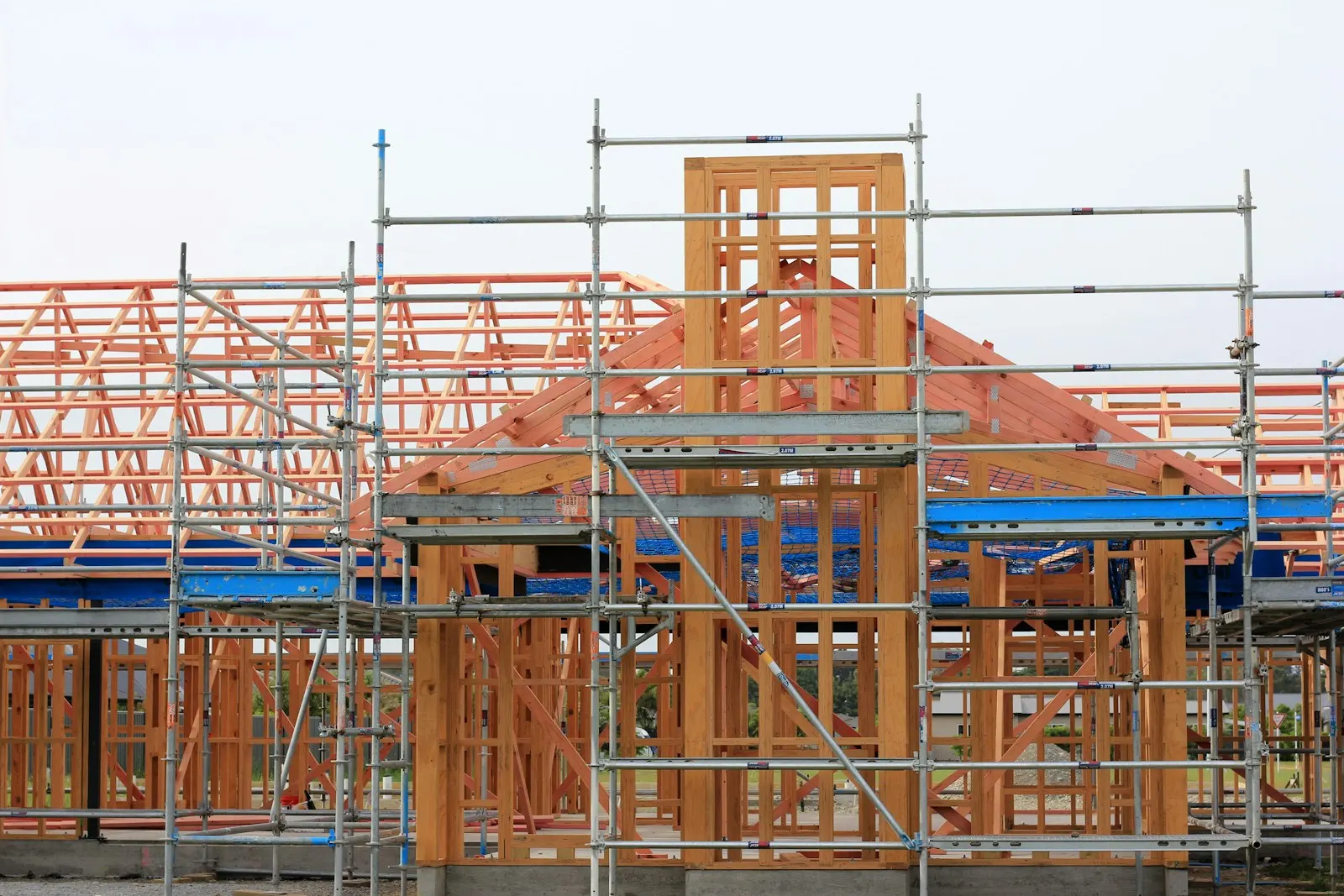
First time buyers in Leicester mostly cluster in three types of property: Victorian terraces close to the city, interwar and post-war semis in the suburbs, and new builds on the south-west edge of the city. Which you choose affects your mortgage as much as your budget, because lenders treat each differently.
This guide is about the mortgage implications of each, not about which neighbourhood you will like. That part is yours.
Victorian and Edwardian terraces
Areas: Clarendon Park, Highfields, the West End, parts of Belgrave and Aylestone.
The traditional entry point. Period features, walkable to the city and the universities, and usually the lowest purchase prices in the city proper.
Mortgage implications. Mostly straightforward, with three things to watch:
- Previous HMO or flat conversion. Around the universities, a lot of terraced stock has been let to students or split into flats. A property that has been converted, or one still configured as bedsits, is treated differently and some lenders will decline it
- Structural issues. Older terraces can have damp, dated wiring or roof problems. A basic mortgage valuation will not find these — a homebuyer's survey will
- Leasehold flats within converted houses. Check the lease length. Short leases restrict lending sharply
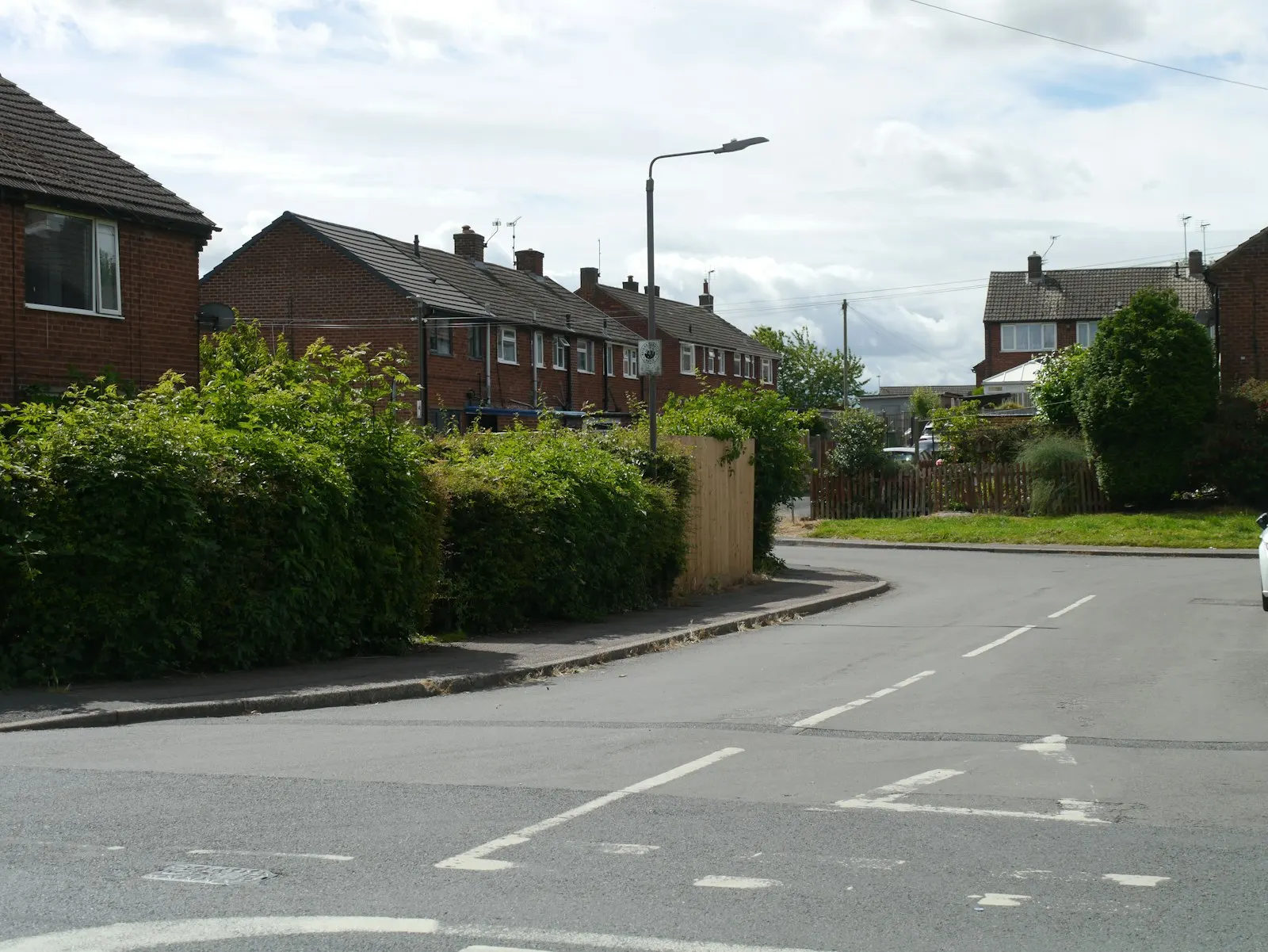
Interwar and post-war semis
Areas: Evington, Braunstone, Birstall, Wigston, Thurnby Lodge, Glenfield, Syston.
This is the mainstream Leicester first time buyer market, and the easiest to finance. Standard brick construction, gardens, off-road parking, and a lender will rarely raise an eyebrow.
Mortgage implications. Generally the smoothest route. The occasional complications:
- Non-standard construction. Some post-war housing used concrete or steel-framed systems. Certain types are effectively unmortgageable with mainstream lenders, so establish the construction type before you offer
- Extensions without paperwork. Check building regulations sign-off exists — your solicitor will, but knowing early avoids a late surprise
New builds
Areas: Enderby, Narborough, Glen Parva, and the New Lubbesthorpe development.
Popular for the obvious reasons — nothing to fix, good energy efficiency, and developers often contribute towards costs.
Mortgage implications. These are the most restrictive, and it catches buyers out:
- Offer validity. If you buy off-plan, the property may not be finished for months. Your mortgage offer must remain valid until completion. Many lenders offer three to six months; fewer will go beyond. Choosing the wrong lender means re-applying later at whatever rates then apply
- Developer incentives. Deposit contributions, paid stamp duty and free upgrades all have to be declared, and lenders cap the total incentive as a proportion of the price. Above the cap, they reduce the loan
- Valuation. New build valuations sometimes come in below the asking price, because the premium for being new is not always reflected
None of this makes new builds a bad choice. It means the lender has to be chosen for the timetable, not just the rate.
City centre apartments
Area: LE1 and the immediate fringe.
Sometimes the cheapest entry price in the city, and the hardest to mortgage.
Lenders look at the number of storeys, cladding and external wall system status, the proportion of the block that is rented rather than owner-occupied, whether there is commercial premises below, and the lease length. Flats above takeaways, bars and some retail units are declined outright by many lenders.
If you are considering a city centre flat, speak to a broker before you offer. The difference between a mortgageable and an unmortgageable flat is not visible on a listing.
Ex-local authority property
Worth its own mention, because it appears across Leicester — Braunstone, New Parks, Beaumont Leys, parts of Eyres Monsell and Saffron Lane — and it is frequently the best value in the city.
Most lenders will lend on ex-council houses without difficulty. Ex-council flats and maisonettes are a different matter. Common restrictions include:
- A minimum proportion of the block being privately owned rather than council-tenanted
- Refusal on blocks above a certain number of storeys
- Refusal on deck-access or balcony-access blocks
- Requirements about the lease length and the freeholder
A well-built ex-council house on a decent street can be an excellent first purchase and mortgages cleanly. An ex-council flat in a high-rise block may be difficult or impossible to finance with a mainstream lender, regardless of how attractive the price looks.
Establish the construction type and the tenure mix of the block before you offer, not after.
The practical point
Your budget determines the area. The property type determines which lenders will lend and on what terms — and that can move your monthly payment more than a modest difference in purchase price.
Tell us what you are looking at early and we will tell you whether it will finance cleanly.
Call 0116 277 7536 or see first time buyer mortgages in Leicester.
More guides: first time buyer guides for Leicester.